
EMDR Through Telehealth: Creating Space for Trauma Work at Home
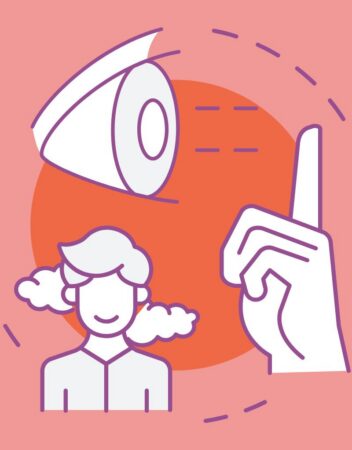
There is a common assumption that EMDR needs to happen in person, and I understand where that belief comes from. EMDR can involve vulnerable material, strong emotions, and shifts in how we experience our bodies and surroundings. It feels intuitive that this kind of work would be better suited to a therapist’s office.
In my experience, however, EMDR does not automatically need to happen in person. For some clients, telehealth offers meaningful benefits. In fact, being able to do this work from home can make the experience feel more comfortable, familiar, and manageable.
Reclaiming Safety and Strength After Sexual Trauma

If you’ve lived through sexual exploitation, abuse, neglect, trauma, or violence, you may carry things that others cannot see. You might experience memories that show up when you least expect them, a body that feels tense, numb, or disconnected, or a sense that something inside you has shifted even if you cannot fully explain how.
Accepting Complexity: How the Just World Myth Keeps us Trapped

Why do bad things happen to good people? This question is commonly asked by those faced with a traumatic experience and can be accompanied by a crisis of faith in one’s chosen spiritual alignment or in humanity overall. As children, we’re taught that if we work hard and follow the rules, we’ll be rewarded: a cognitive bias sometimes referred to as the Just World Fallacy.
Complex Post-Traumatic Stress Disorder: Unraveling the Layers of Psychological Struggle

Many people think they don’t have trauma because they didn’t experience one single “traumatic” event; they weren’t physically or sexually abused or watched a loved one die. However, this doesn’t mean trauma isn’t in the body. C-PTSD explains how layers of prolonged and repeated exposure to lower-level traumas are harmful and important.