
Helping Neurodivergent Teen Girls Feel Seen and Understood
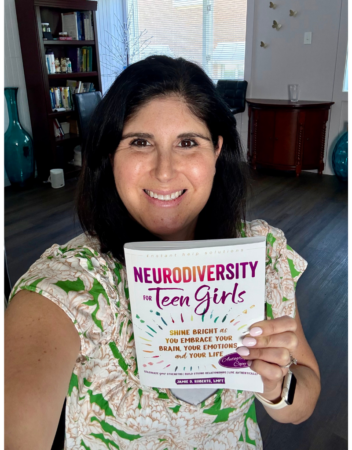
The teen years are a delicate balance of self-exploration, managing expectations, and establishing your independent identity. Being neurodivergent in a neurotypical world adds a layer of complexity—it may feel like everyone got an instruction manual but you! Plus, the societal pressures of being raised as a girl are often contradictory, dismissive of your experiences, and result in your mental health needs being missed. If you are finding it hard to navigate all these pressures and big changes, this book is for you!
Celebrating Autistic Joy

Autistic joy can be described as an all-encompassing excitement and feeling of joy that Autistic folks experience. This can sometimes feel like tingling sensations all over the body, an increase in energy and engagement, being flooded with warmth, feeling completely consumed by the emotion, and the need to move and stim to release the intense feeling. It is important to note that this can be an overwhelming or intense experience for some.
Acceptance is the Word
April is known as “Autism Awareness Month” or “Autism Acceptance Month” depending on who you ask. I wanted to take the opportunity to say a few words about the difference between awareness and acceptance when it comes to disability justice.
Repetitive Behaviors in OCD and Autism

Autistic individuals and those with OCD tend to show repetitive behaviors, but the way we want to respond to them varies greatly. We can empathetically choose to negotiate and optimize compromises with our autistic friends and loved ones who use repetitive behavior to adaptively cope, rather than assume the autistic person can “act normal” if they try.
Autistic Is Not A Slur

April is Autism Acceptance Month. Please keep your eyes and your mind open for perspectives from advocates with lived experience with autism. This month I will share some concepts that come from the Neurodiversity movement with respect to autism.